What Judge Judy Teaches About Small Claims Court in America
Introduction
Judge Judy is one of the most popular courtroom shows in the United States. Millions of Americans have watched her sharp decisions, no-nonsense attitude, and real-life small claims cases for decades. While many people see the show as pure entertainment, there are important legal and life lessons hidden in these cases.
In this article, we break down what Judge Judy cases teach ordinary Americans about small claims court and personal responsibility.
Understanding Small Claims Court Through Judge Judy
Small claims court is designed for everyday people who want to resolve disputes without expensive lawyers. Judge Judy cases often involve:
- Unpaid loans between friends
- Property damage
- Pet-related disputes
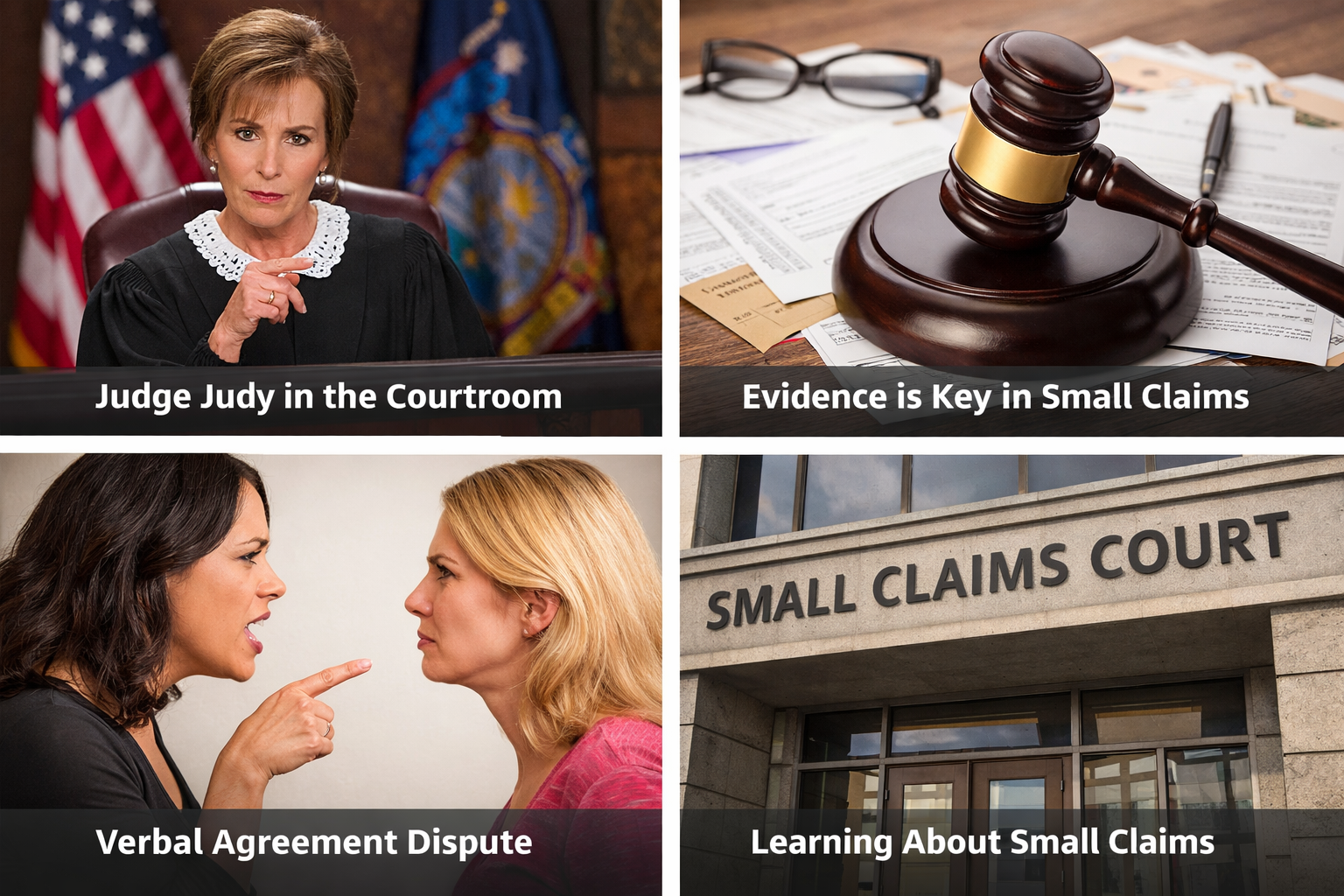
- Verbal agreements gone wrong
The show highlights how simple misunderstandings can turn into legal problems when agreements are not clear.
One Key Lesson: Evidence Matters More Than Stories
One of the most common Judge Judy rulings is based on evidence, not emotions.
No matter how convincing someone sounds, Judge Judy always asks:
- Do you have documents?
- Do you have messages or receipts?
- Can you prove your claim?
This teaches viewers an important rule of U.S. courts:
👉 If you can’t prove it, you can’t win it.
Verbal Agreements Can Still Be Binding
Many people believe that only written contracts matter. Judge Judy repeatedly explains that verbal agreements can be legally binding, especially if:
- Money exchanged hands
- Both parties understood the terms
- There is supporting evidence (texts, witnesses)
This is a powerful lesson for anyone lending money to friends or family.
Personal Responsibility Is a Big Theme
Another strong message from Judge Judy cases is accountability.
Whether it’s damaging someone’s property or failing to return borrowed money, the court focuses on personal responsibility.
The show reminds viewers that excuses rarely hold up in court if your actions caused harm.
Why These Lessons Matter in Real Life
Small claims court exists to protect everyday people. Judge Judy’s courtroom reflects real legal principles that apply across the United States.
By watching and understanding these cases, viewers can:
- Avoid legal disputes
- Protect themselves with documentation
- Make smarter financial decisions
Frequently Asked Questions (FAQ)
Is Judge Judy legally binding?
The show uses arbitration. Both parties agree to Judge Judy’s decision, making it final.
Are the cases real?
Yes, the disputes are real, but they are resolved through arbitration, not traditional court.
Can these lessons apply to real courts?
Yes. While the show is entertainment, the legal principles are real.
Final Thoughts
Judge Judy is more than just a TV show. It offers valuable insights into how small claims court works in the United States.
The biggest takeaway is simple: be responsible, keep records, and don’t rely on assumptions.See Your Solution