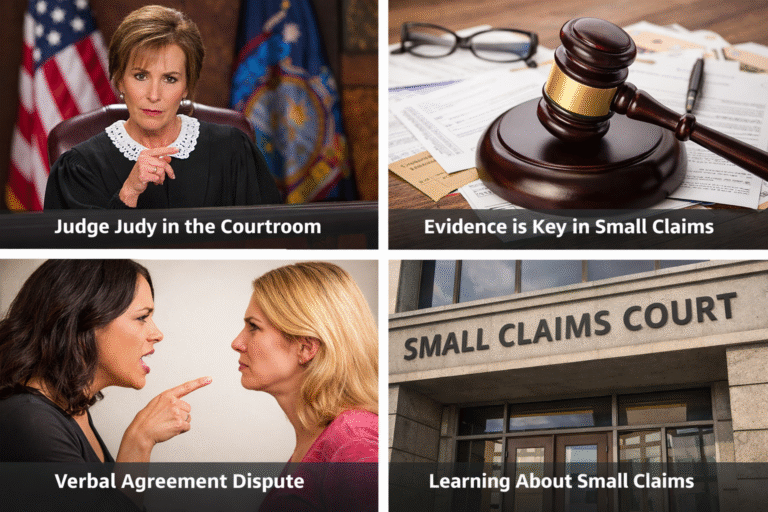
What Judge Judy Teaches About Small Claims Court
Watch the full video below!
(Scroll down to see the video)
Introduction
Judge Judy Sheindlin has become a household name in the United States, famous for her no-nonsense approach to small claims court. Millions tune in to watch ordinary people resolve disputes over money, property, and personal disagreements. While the show is entertaining, it also provides valuable lessons about responsibility, evidence, and how the legal system works for everyday Americans. This article breaks down some of the most important takeaways from Judge Judy cases and explains how these lessons can help you navigate real-life disputes.
Understanding Small Claims Court
Small claims court exists to allow individuals to resolve disputes without the need for expensive lawyers. Judge Judy’s show gives viewers a peek into this process. Cases often include:
- Loan disputes between friends or family
- Property damage claims
- Pet-related disagreements
- Misunderstandings over verbal agreements
The key lesson here is that even small misunderstandings can escalate if proper documentation or evidence is missing.
Evidence Matters More Than Stories
One of the most repeated themes in Judge Judy cases is the importance of evidence. Regardless of how convincing someone’s story may sound, Judge Judy consistently asks:
- Do you have receipts or contracts?
- Are there text messages or emails to support your claim?
- Can you prove what you are saying?
This teaches an essential rule of law: without evidence, it’s hard to win your case.
Verbal Agreements Can Still Be Binding
Many people assume that only written agreements matter legally. Judge Judy repeatedly explains that verbal contracts can be legally binding, especially when:
- Money changes hands
- Both parties understand the terms
- Witnesses or supporting evidence exist
This is crucial for everyday transactions between friends or family members.
Personal Responsibility Is Key
Judge Judy emphasizes accountability. Whether someone borrows money, damages property, or fails to honor an agreement, the court focuses on personal responsibility. Excuses rarely hold up if actions directly caused harm. This lesson reminds viewers that taking responsibility early can prevent legal problems.
Lessons for Everyday Life
Watching Judge Judy can prepare individuals for real-life situations:
- Always keep receipts and records
- Communicate clearly when lending or borrowing money
- Understand your rights and obligations in a dispute
- Stay calm and factual in conflict situations
Video Section
Watch the full case below!
Check our pinned comments for full episode links.
Frequently Asked Questions (FAQ)
Is Judge Judy legally binding?
Yes. All parties agree to arbitration, which makes her decisions final and enforceable.
Are the cases real?
Yes, disputes are real, but resolved through arbitration instead of traditional court.
Can these lessons apply to real courts?
Absolutely. While the show is entertainment, it reflects genuine legal principles.
Conclusion
Judge Judy is more than a TV show—it’s a guide to small claims court and everyday legal challenges. The main takeaway: be responsible, keep records, and always rely on facts and evidence. By learning from these cases, you can avoid common pitfalls and handle disputes effectively.